


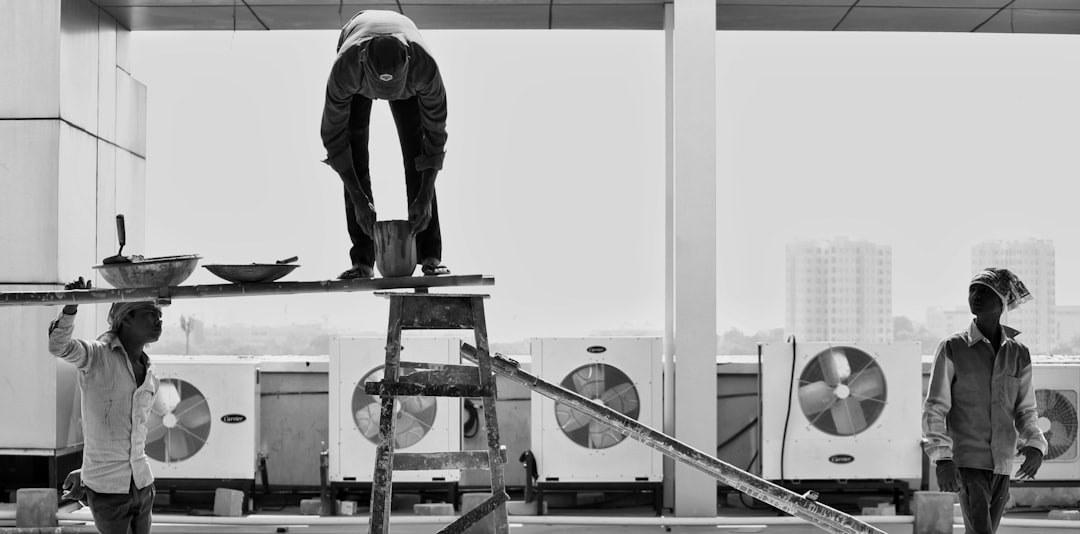
A professional hvac maintenance service typically includes a full system inspection, cleaning of coils and components, filter replacement, refrigerant level check, thermostat calibration, and electrical connection testing. Most companies recommend scheduling this service twice a year—once before cooling season and once before heating season—to catch small problems before they become expensive failures. For Phoenix homeowners, annual maintenance costs around $150–$250 per visit but can prevent thousands of dollars in emergency repair bills and extend your system’s lifespan by years.
Skipping routine maintenance is one of the costliest mistakes Arizona homeowners make. Because HVAC systems work harder in extreme desert heat, even minor issues quickly snowball into major breakdowns. Understanding what’s included in a professional tune-up helps you decide whether to invest in annual service or risk expensive mid-summer emergencies when your air conditioner fails during a 115-degree heatwave.
What’s Actually Included in a Professional HVAC Maintenance Visit
When you schedule a professional tune-up with a qualified HVAC contractor, the technician follows a comprehensive checklist designed to evaluate every critical system component. The visit typically takes 60 to 90 minutes and covers both your indoor air handler and outdoor condenser unit.
During the inspection, technicians check refrigerant levels to ensure your system cools efficiently. Low refrigerant usually indicates a leak, which reduces cooling capacity and forces your compressor to work harder. They also inspect and tighten all electrical connections, because loose wiring causes system failures and creates fire hazards.
The condenser coils get a thorough cleaning to remove dust, cottonwood seeds, and debris that accumulate quickly in the Phoenix metro area. Dirty coils reduce efficiency by up to 30%, making your system run longer to reach the desired temperature. Technicians also clean or replace air filters, lubricate moving parts, and test the condensate drain to prevent water damage from clogs.
Thermostat calibration ensures your system responds accurately to temperature settings. A miscalibrated thermostat can cause short-cycling, which wastes energy and wears out components faster. In addition, technicians measure airflow and check ductwork connections for leaks that allow conditioned air to escape into attics or crawl spaces.
Most maintenance visits also include a blower motor inspection and belt tension check. Worn belts slip or break, leaving you without air conditioning when you need it most. The technician documents baseline performance metrics so future visits can identify declining efficiency before components fail completely.
Components That Get Cleaned or Replaced
Air filters are the most commonly replaced item during maintenance visits. Standard filters should be changed every 30–90 days depending on dust levels, pets, and system usage. However, many Phoenix homeowners with allergies or respiratory conditions benefit from higher-grade MERV filters that trap smaller particles.
Evaporator and condenser coils require professional cleaning because they’re difficult to access and damage easily. Technicians use specialized coil cleaner and low-pressure rinses to remove buildup without bending delicate fins. Blower assemblies also get cleaned to maintain proper airflow throughout your home.
Condensate drain lines often develop algae or mold growth in Arizona’s humid monsoon season. Technicians flush these lines with a cleaning solution to prevent clogs that cause water leaks and indoor humidity problems. Drain pans are inspected for rust or cracks that could leak water onto ceilings or floors.
Why Spring and Fall HVAC Maintenance Service Prevents Summer and Winter Breakdowns
Arizona’s extreme temperature swings place unique stress on heating and cooling systems. Summer temperatures in Phoenix frequently exceed 110 degrees, forcing air conditioners to run 12–16 hours per day. During winter, desert nights drop into the 30s, requiring furnaces to cycle on and keep homes comfortable.
Scheduling maintenance in early spring—ideally March or early April—prepares your cooling system before the brutal summer heat arrives. Technicians can identify worn capacitors, failing compressors, or low refrigerant before these issues cause complete system failure in July. Because HVAC companies receive fewer service calls in spring, you also get faster scheduling and avoid the premium rates some contractors charge during peak season.
Fall maintenance, typically scheduled in October or November, ensures your heating system operates safely and efficiently. Cracked heat exchangers pose serious carbon monoxide risks, and furnace burners need cleaning to prevent incomplete combustion. Scheduling service before winter also helps you avoid being without heat during those surprisingly cold desert nights.
Homeowners in areas like Scottsdale, Tempe, and Mesa should schedule maintenance at least four to six weeks before peak heating or cooling season begins. This timing gives you buffer room to schedule repairs if technicians discover problems during the tune-up. Waiting until you actually need your system means you’re competing with hundreds of other emergency service calls.
According to the U.S. Department of Energy, preventive maintenance can reduce the risk of costly breakdowns by up to 95% while improving energy efficiency by 5–40%. For Phoenix residents running air conditioners nearly year-round, that efficiency gain translates directly into lower utility bills.
The True Cost of Skipping Maintenance: Repair Bills vs. Tune-Up Cost
A single HVAC maintenance service visit costs between $150 and $250 in the Phoenix area. Annual maintenance plans that include two visits per year typically range from $250 to $400. While that might seem like an unnecessary expense when your system appears to run fine, skipping maintenance almost always costs more in the long run.
The average emergency HVAC repair in Arizona ranges from $300 to $1,500 depending on the failed component. Compressor replacements—one of the most common failures in neglected systems—can cost $1,200 to $2,500. Evaporator coil replacement runs $900 to $2,000, and blower motor failures average $400 to $800 including labor.
Neglected systems also consume significantly more energy. Dirty coils, clogged filters, and low refrigerant force your air conditioner to run longer cycles to maintain temperature. Over a Phoenix summer, that inefficiency can add $30 to $80 per month to your electricity bill. Across a system’s typical 12–15 year lifespan, skipped maintenance can cost thousands in wasted energy alone.
More importantly, unmaintained systems fail prematurely. A well-maintained air conditioner in Arizona should last 12–15 years, while neglected units often need replacement after just 8–10 years. Replacing an entire HVAC system costs $5,000 to $12,000 for most Phoenix homes, making preventive maintenance a fraction of the replacement cost.
Major Failures That Happen When Maintenance Gets Neglected
Compressor failure tops the list of expensive breakdowns caused by skipped maintenance. Compressors fail when systems run with low refrigerant, dirty coils, or electrical problems that go undetected. Because compressors are often the most expensive single component, their failure sometimes makes more financial sense to replace the entire system rather than repair it.
Refrigerant leaks develop gradually and worsen over time. Without annual leak detection, systems slowly lose cooling capacity while the compressor works harder to compensate. Eventually, the compressor overheats and burns out. Similarly, dirty condenser coils cause high head pressure that strains the compressor and shortens its lifespan.
Clogged condensate drains cause water damage to ceilings, walls, and flooring. In severe cases, standing water in drain pans leads to mold growth that requires expensive remediation. Electrical connection problems that go unchecked can arc and cause fires or damage control boards that cost $300 to $600 to replace.
Cracked heat exchangers represent the most dangerous failure in gas furnaces. These cracks allow carbon monoxide to leak into your home’s air supply, creating a life-threatening situation. Annual inspections catch heat exchanger deterioration early, but systems that never receive maintenance can develop dangerous cracks without any warning signs.
DIY Maintenance You Can Do and When You Need a Pro
Homeowners can safely handle several basic maintenance tasks between professional visits. The most important DIY task is changing your air filter regularly. Most Phoenix homes need filter changes every 30–60 days due to high dust levels, though households with pets or allergy sufferers may need monthly changes.
Standard 1-inch filters fit most systems, but check your air handler or return vent for the exact dimensions. Common sizes include 16×20, 16×25, and 20×25 inches. Higher MERV ratings (8–13) trap more particles but restrict airflow slightly, so verify your system can handle the increased resistance before upgrading from basic fiberglass filters.
You can also keep the outdoor condenser unit clear of debris. Remove leaves, grass clippings, and cottonwood seeds that collect around the unit. Trim vegetation back at least two feet on all sides to maintain proper airflow. However, avoid pressure-washing the fins yourself because high pressure bends them easily, restricting airflow and reducing efficiency.
Checking your thermostat batteries and ensuring vents stay unblocked by furniture or curtains are other simple tasks that improve system performance. You should also verify that your condensate drain line drips water when the air conditioner runs, indicating the drain isn’t clogged.
Tasks That Always Require a Professional Technician
Refrigerant handling requires EPA certification because improper procedures harm the environment and violate federal law. Only licensed technicians should check refrigerant levels, diagnose leaks, or recharge systems. DIY refrigerant work also voids most equipment warranties and insurance coverage.
Electrical testing and repairs demand professional expertise. Working with high-voltage components creates serious shock and fire hazards for untrained individuals. Similarly, gas furnace service involves combustion analysis and heat exchanger inspection that require specialized tools and training.
Coil cleaning looks simple but requires knowledge of proper chemicals and techniques. Using the wrong cleaner or excessive pressure damages coils permanently. Internal component lubrication, blower wheel cleaning, and ductwork inspection also fall into the professional-only category because they require disassembling system components.
For complex diagnostics, always call a professional. If your system short-cycles, blows warm air, makes unusual noises, or triggers frequent circuit breaker trips, these symptoms indicate problems beyond DIY fixes. The U.S. Department of Energy recommends professional service whenever performance issues arise.
HVAC Maintenance Service Plans: Annual Contracts vs. One-Time Service
Most Phoenix HVAC companies offer both single tune-up appointments and annual maintenance agreements. Understanding the differences helps you choose the option that delivers the best value for your situation.
One-time service visits provide flexibility if you prefer to schedule maintenance on your own timeline or want to try a company before committing to a contract. These visits typically cost $150–$250 and include the same inspection checklist and cleaning services as maintenance plans. However, you miss out on the discounts and priority service that contract customers receive.
Annual maintenance agreements bundle two service visits per year—one for cooling season and one for heating season. Most plans in the Phoenix area cost $250–$400 annually, making each visit 25–40% cheaper than one-time appointments. Plans often include additional benefits like priority scheduling, discounts on repairs (typically 10–20%), waived diagnostic fees, and extended equipment warranties.
For Phoenix homeowners who run their HVAC systems year-round, maintenance plans almost always deliver better value than scheduling individual visits. The twice-yearly service catches problems earlier, and the repair discounts can save hundreds of dollars if major components need replacement.
What Action Mechanical’s Maintenance Plans Include
Action Mechanical serves the greater Phoenix area with comprehensive maintenance programs designed for Arizona’s climate challenges. Their plans include spring and fall tune-ups covering all the essential inspection, cleaning, and testing tasks that keep systems running efficiently.
Plan members receive priority scheduling during peak season, which matters tremendously when temperatures hit triple digits and HVAC companies field hundreds of emergency calls per day. The discount on repairs and waived service call fees often pay for the plan cost with a single repair visit.
Their technicians document system performance metrics at each visit, creating a maintenance history that helps diagnose declining efficiency before catastrophic failures occur. This proactive approach extends equipment lifespan and reduces the likelihood of expensive emergency replacements during extreme weather.
To learn more about specific plan options and current pricing, visit Action Mechanical’s services page or call their office to discuss which program fits your home’s needs. Their team can evaluate your current system age, usage patterns, and equipment warranty status to recommend the most cost-effective maintenance approach.
Schedule Your HVAC Maintenance Before Peak Season
Professional maintenance protects your investment, prevents costly breakdowns, and keeps your Phoenix home comfortable through every season. Whether you choose individual tune-ups or an annual service plan, regular maintenance costs a fraction of emergency repairs and premature system replacement.
Don’t wait until your system fails during the hottest or coldest days of the year. Contact Action Mechanical today to schedule your maintenance visit and ensure your HVAC system delivers reliable, efficient performance when you need it most.
Frequently Asked Questions
How much does HVAC maintenance cost in Phoenix?
A single HVAC maintenance visit typically costs $150–$250 in the Phoenix area. Annual maintenance plans that include two visits per year (spring and fall) usually range from $250–$400. These plans often include discounts on repairs, priority scheduling, and waived diagnostic fees that can save hundreds if repairs become necessary.
How often should I schedule HVAC maintenance in Arizona?
Arizona homeowners should schedule HVAC maintenance twice per year—once in early spring (March or April) before cooling season and once in fall (October or November) before heating season. Because Phoenix systems run nearly year-round in extreme temperatures, this twice-yearly schedule catches problems before they cause expensive breakdowns.
Can I perform HVAC maintenance myself or do I need a professional?
You can safely change air filters every 30–60 days, clear debris from around the outdoor unit, and ensure vents stay unblocked. However, refrigerant handling, electrical work, coil cleaning, and gas furnace service always require a licensed professional. DIY work on these components voids warranties and creates safety hazards.
What happens if I skip annual HVAC maintenance?
Skipping maintenance leads to reduced efficiency, higher energy bills, and premature equipment failure. Unmaintained systems often fail 3–5 years earlier than well-maintained units, and emergency repairs cost $300–$2,500 depending on the failed component. Dirty coils and clogged filters can add $30–$80 per month to summer electricity bills in Phoenix.
Is an HVAC maintenance plan worth it compared to one-time service?
For Phoenix homeowners, annual maintenance plans typically deliver better value than one-time visits. Plans cost $250–$400 per year for two visits, making each visit 25–40% cheaper. Additional benefits include priority scheduling during peak season, repair discounts, and waived service fees that often pay for the plan with a single repair.
Photo by Sujith Devanagari on Unsplash via Sujith Devanagari.